Will No-code tools users replace the Coders?
Sunday, March 10, 2024
In the everchanging world of technology, engineers constantly seek optimal methods to develop software solutions. Traditional coding has been the backbone of software development for too long, but the emergence of no-code tools has ignited a debate among tech enthusiasts and professionals. The question arises: which approach is the best fit for the future engineers?
The Rise of No-Code Tools
No-code platforms empower individuals with little to no coding experience to create applications and automate processes using visual interfaces and drag-and-drop functionalities. These tools abstract the complexities of programming languages, allowing users to focus on problem-solving rather than syntax.
No-code tools have democratized software development, enabling entrepreneurs, designers, and business professionals to bring their ideas to life without relying on traditional development teams. Platforms like Bubble, Webflow abd Zapier offer intuitive interfaces that streamline the app development process with AI tools assisting them.
Advantages of No-Code Tools
- Accessibility: No-code platforms bridge the gap between technical and non-technical individuals, fostering collaboration and innovation across diverse teams.
- Rapid Prototyping: Engineers can quickly prototype and iterate on ideas without spending extensive time writing code, accelerating the development cycle.
- Lower Barrier to Entry: Aspiring engineers can enter the field of software development without mastering complex programming languages, encouraging more people to pursue careers in technology.
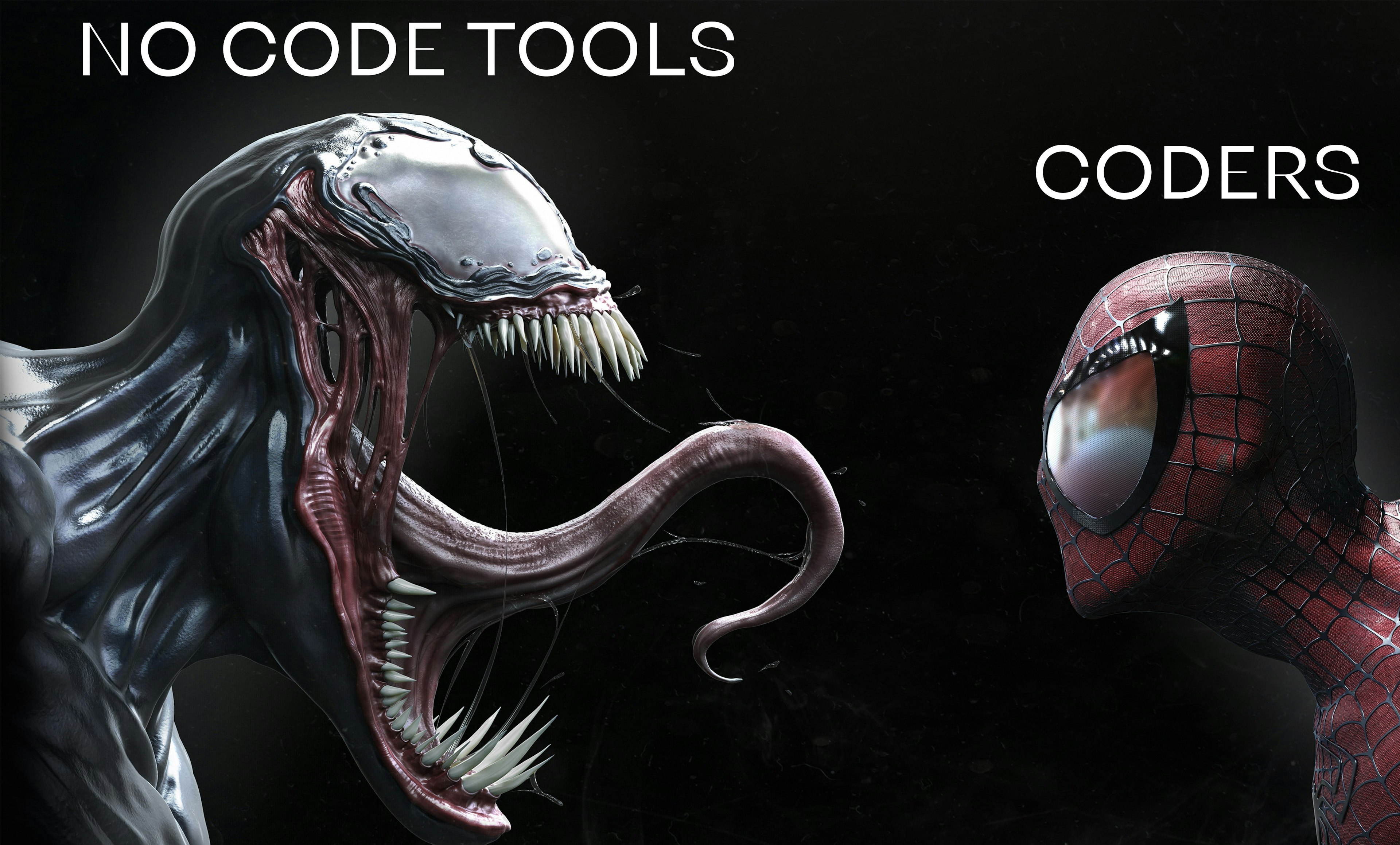
The Power of Traditional Coding
On the other hand, traditional coding remains indispensable in the realm of software engineering. Proficiency in programming languages such as Python, JavaScript, and Java allows engineers to build robust, scalable applications tailored to specific requirements.
Coding provides a deeper understanding of algorithms, data structures, and software architecture, empowering engineers to tackle complex challenges and optimize performance. Moreover, traditional developers have greater flexibility and control over the development process, enabling them to implement custom solutions and integrate with existing systems seamlessly.
The Key is to Find the Balance
The debate between code and no-code tools is not about choosing one over the other but rather embracing both approaches in harmony. Future engineers should leverage the strengths of each method based on the project requirements and constraints.
- Hybrid Solutions: Integrating no-code tools with custom code allows engineers to harness the simplicity of visual development while addressing complex functionalities with traditional programming.
- Continuous Learning: Engineers should cultivate a diverse skill set that encompasses both coding and no-code development, adapting to evolving technologies and industry trends.
- Contextual Understanding: Understanding the underlying principles of software development empowers engineers to make informed decisions and leverage the full potential of no-code tools.

In conclusion, the future of engineering lies in a symbiotic relationship between code and no-code tools. While traditional coding remains fundamental to software development, no-code platforms democratize access to technology and foster innovation across industries.
Aspiring engineers should embrace both approaches, recognizing the unique advantages and limitations of each method. By embracing a holistic approach to software development, future engineers can navigate the complexities of technology and drive meaningful impact in an ever-evolving digital landscape.